
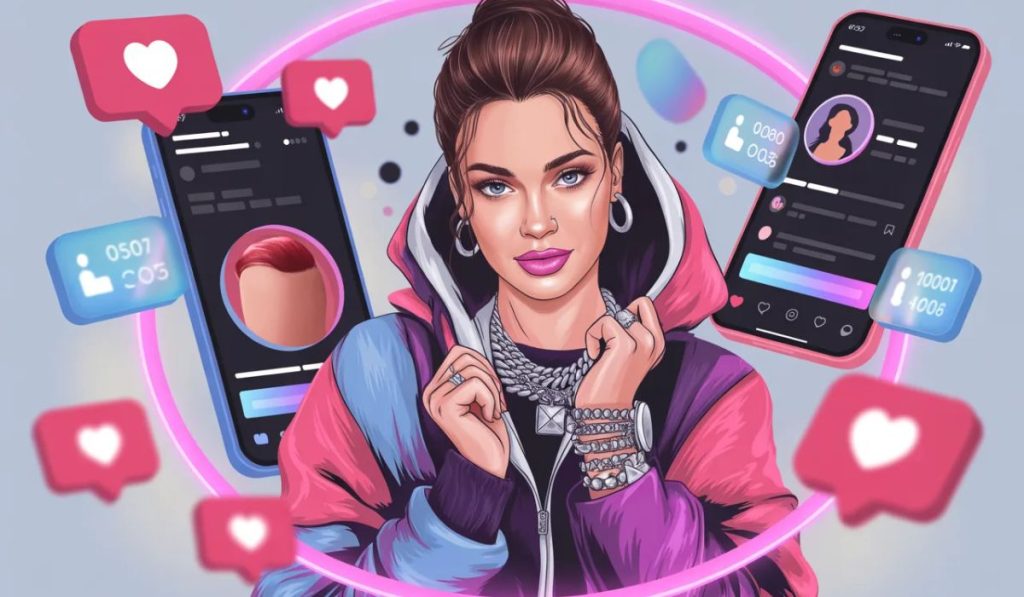
Have you ever stumbled across a name online and wondered, “Why does this feel familiar?” That’s often how people first encounter babydollkaila. The name floats through social platforms, comment sections, and online conversations, carrying curiosity with it like a soft echo. But what exactly does it represent? A brand, a personality, a moment in internet culture?
This article takes a calm, human look at babydollkaila—not as gossip, not as hype, but as a window into how online identities are formed, consumed, and remembered. Think of it like watching a ripple spread across a digital pond.
Understanding Online Personas in the Digital Age
Before zooming in, let’s take a step back.
Online personas are carefully shaped identities people present on the internet. They aren’t fake, but they’re curated. Just like choosing an outfit for a big event, people select what to show and what to keep private.
In today’s world, these personas can reach millions. Social platforms reward consistency, relatability, and emotional connection. That’s the environment where names like babydollkaila gain recognition.
The Name That Catches Attention
Why Names Matter Online
A username is often the first impression. It works like a storefront sign. Short, memorable, and emotionally suggestive names tend to stick.
The name babydollkaila blends softness with individuality. “Babydoll” hints at innocence or aesthetic styling, while “Kaila” grounds it in something personal and human. Together, the name feels approachable and stylized—perfect for digital spaces where identity is visual and emotional.
From Username to Identity
How Digital Identities Are Built
Online identities don’t appear overnight. They’re layered slowly through posts, tone, visuals, and interaction.
People behind these identities often:
- Share parts of daily life
- Express opinions or creativity
- Engage with followers consistently
Over time, audiences don’t just recognize the name; they recognize the vibe. That’s when a username becomes a persona.
The Role of Aesthetics and Visual Language
Why Looks and Style Matter
On the internet, visuals speak before words. Colors, poses, filters, and themes act like a silent language.
For personas like babydollkaila, aesthetic choices may include:
- Soft lighting or stylized imagery
- Consistent color palettes
- Fashion or visual motifs
Think of it as interior design for a digital home. When people step in, they immediately know the mood.
Authenticity vs. Performance
Is Online Real Life… Real?
Here’s the big question: Is what we see online real?
The honest answer is: it’s selectively real.
Most creators show genuine emotions but not the full picture. That’s not deception—it’s boundaries. Just like you don’t tell strangers everything about your life, online creators choose what fits their narrative.
This balance between authenticity and performance is where many digital personas thrive.
Audience Connection and Parasocial Bonds
Why People Feel “Close” to Online Figures
Have you ever felt like you know someone you follow online? That’s called a parasocial relationship—a one-sided emotional connection.
Creators speak directly to the camera, reply to comments, and share personal stories. Viewers respond with loyalty and support. It’s not unlike listening to a favorite radio host every morning.
The connection feels real, even if it’s mediated by a screen.
The Business of Being Online
Turning Attention into Opportunity
Digital attention has value. Many online personas explore:
- Brand collaborations
- Subscription-based content
- Merchandise
- Sponsored posts
This doesn’t happen by accident. It takes planning, consistency, and an understanding of audience expectations.
For the general public, this can look effortless. Behind the scenes, it’s often closer to running a small media company.
Public Opinion and Internet Judgment
The Double-Edged Sword of Visibility
With visibility comes opinion—and lots of it.
Public figures online are often praised and criticized at the same time. Comments can lift someone up or tear them down in seconds. It’s like standing on a stage where the audience never leaves.
Handling this pressure requires resilience and emotional awareness. Not everyone sees that side of internet fame.
Privacy in a Public World
Where Do You Draw the Line?
One of the hardest parts of being known online is deciding what stays private.
Many creators set clear boundaries:
- No sharing of personal addresses
- Limited family exposure
- Controlled personal details
These boundaries protect mental health and long-term sustainability. Without them, burnout is common.
Cultural Impact and Digital Trends
Why These Personas Matter Beyond Screens
Online personalities influence trends in fashion, language, beauty, and even attitudes. They reflect what people are curious about and what society values at a given moment.
Babydollkaila, like many internet figures, exists within this larger cultural mirror. The persona doesn’t just entertain—it participates in shaping online culture.
The Human Behind the Screen
Remembering There’s a Person There
It’s easy to forget that behind every username is a real person with good days and bad ones.
They feel pressure, joy, anxiety, and pride—just like anyone else. Seeing online figures as human rather than characters helps create healthier digital spaces for everyone.
Lessons the General Public Can Take Away
What Can We Learn From This?
You don’t need to be an influencer to take something useful from this discussion.
Key takeaways include:
- Be mindful of what you consume online
- Remember that online images are curated
- Practice empathy in digital interactions
- Protect your own boundaries on social platforms
The internet is a shared space. How we engage shapes it.
Conclusion: More Than Just a Name
Babydollkaila is more than a username—it’s a case study in how modern digital identities work. Like a reflection in a shop window, it shows both what’s inside and what we choose to see.
In the end, online personas remind us of something simple but powerful: behind every screen is a story, and behind every name is a human being trying to be seen, understood, or maybe just heard.
Frequently Asked Questions
1. Is babydollkaila a real person or just an online character?
Babydollkaila represents an online persona created by a real individual, combining personal expression with curated presentation.
2. Why do people feel emotionally connected to online personalities?
Because consistent content, direct communication, and shared experiences create parasocial bonds that feel personal.
3. Are online personas always authentic?
They are selectively authentic. Most creators share real emotions while protecting parts of their private lives.
4. Can anyone create a successful online identity today?
Yes, but success usually requires consistency, creativity, audience understanding, and emotional resilience.
5. What’s the biggest challenge of internet visibility?
Balancing public attention with personal privacy while managing criticism and expectations.