
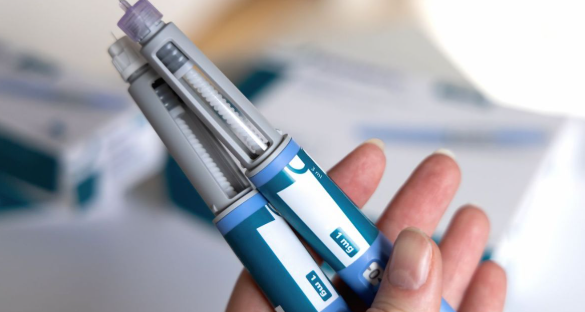
GLP-1 medications have become an important option for managing type 2 diabetes and, for certain medications, chronic weight management. However, getting insurance coverage for these treatments can sometimes be complicated. Coverage depends on the medication, the reason it is prescribed, the patient’s health history, the insurance plan, and specific requirements set by the insurer.
FitRx can help eligible patients explore medical weight-loss treatment and insurance-related options through online care. Understanding how insurance coverage works can make it easier to know what to expect before starting a GLP-1 medication.
What Determines GLP-1 Insurance Coverage
Insurance companies do not use one universal rule for covering GLP-1 medications. Each health plan can have its own formulary, eligibility requirements, copay structure, and authorization process.
The reason a medication is prescribed can also affect coverage. Some GLP-1 medications are approved for type 2 diabetes, while others have specific approvals for chronic weight management. For example, Wegovy and Zepbound are approved for chronic weight management in eligible adults, while Ozempic and Mounjaro are approved for type 2 diabetes.
Because of these differences, having a prescription does not automatically mean that an insurance company will pay for the medication.
Prior Authorization May Be Required
One of the most common requirements for GLP-1 coverage is prior authorization. This means the healthcare provider sends information to the insurance company showing why the medication is medically appropriate.
The insurer may ask for information about your weight, BMI, medical conditions, previous treatment attempts, and other relevant health details. For some weight-management medications, insurers may also require documentation showing previous efforts involving diet, exercise, or other treatments.
For example, manufacturer information for Zepbound notes that many prescriptions may require prior authorization, with insurers requesting information about weight history, BMI, previous weight-management efforts, and related medical conditions.
Approval criteria vary by insurance company, so meeting one plan’s requirements does not guarantee approval under another plan.
Why Your Diagnosis Matters
The condition being treated can have a major effect on coverage. Some insurance plans may cover a GLP-1 medication when it is prescribed for type 2 diabetes but exclude the same or similar medication when it is prescribed specifically for weight management.
This distinction matters because medications can have different FDA-approved indications. Mounjaro, for example, contains tirzepatide and is approved for type 2 diabetes, while Zepbound contains tirzepatide and is approved for chronic weight management in eligible adults.
Insurance companies can create their own coverage rules within applicable regulations, so patients should check their individual plan rather than assuming that one medication’s coverage applies to another.
BMI and Health Conditions Can Affect Eligibility
Some insurance plans use BMI requirements when deciding whether to cover medications prescribed for weight management. Additional health conditions may also be required.
These conditions can include type 2 diabetes, high blood pressure, high cholesterol, sleep apnea, cardiovascular disease, or other obesity-related health concerns. The exact requirements depend on the plan.
For this reason, a healthcare provider may collect information about both your current BMI and your broader medical history before submitting a coverage request.
What Happens When Insurance Approves the Medication
If your insurance company approves a GLP-1 medication, you will usually receive information about your coverage and expected out-of-pocket cost. Your cost may include a copay, coinsurance, or deductible depending on your plan.
Approval does not always mean the medication will be free. Some patients may still have to pay part of the prescription cost.
The pharmacy can usually provide the final amount that applies to your prescription under your insurance plan. Checking your plan’s formulary can also help you understand whether the medication is preferred or subject to additional restrictions.
What Happens if Insurance Denies Coverage
An insurance denial does not always mean there are no other options. Sometimes the insurer requests additional information before making a final decision. In other situations, a healthcare provider may be able to submit an appeal if there is a medical basis for doing so.
The reason for the denial is important. Your insurance company may explain that the medication is excluded, that you do not meet the current criteria, that prior authorization information is incomplete, or that another treatment must be tried first.
If coverage is denied, discuss the decision with your healthcare provider. They can help determine whether an appeal, another covered medication, or a different treatment approach may be appropriate.
Employer Insurance Can Have Different Rules
Many Americans receive health insurance through an employer, and employer-sponsored plans can differ significantly. Some employers may choose coverage options that include weight-management medications, while others may exclude them.
This means that two people with the same diagnosis and the same prescription can receive different coverage decisions because their insurance plans have different benefits.
Before starting treatment, review your plan documents or contact your insurer to ask whether the specific medication is covered and what requirements apply.
Medicare and GLP-1 Coverage
Medicare coverage for GLP-1 medications has also changed in 2026. Beginning July 1, 2026, the Medicare GLP-1 Bridge program provides eligible beneficiaries with Part D drug coverage access to certain medications for reducing excess body weight and maintaining weight reduction, including Wegovy and Zepbound in specified formulations.
The program has specific eligibility and clinical requirements, so Medicare beneficiaries should check whether they qualify rather than assuming that every GLP-1 medication is covered.
Medicare coverage for diabetes treatment and weight management can also involve different rules, making the reason for treatment important when evaluating eligibility.
Medicaid Coverage Can Vary
Medicaid coverage for weight-loss medications can vary by state. A medication may be covered under one state’s Medicaid program but excluded or subject to different requirements in another.
State programs can also change their preferred medications, prior authorization criteria, and eligibility rules over time. Patients using Medicaid should therefore confirm current requirements with their state program or health plan.
If you are unsure about coverage, your healthcare provider or insurance plan can explain which medications may be available under your specific benefits.
How FitRx Can Help With Insurance
FitRx provides eligible patients with online medical care and support for prescription weight management. When a provider determines that a medication is medically appropriate, insurance coordination can help patients understand coverage requirements and navigate the prior authorization process.
The care team can assist with insurance-related questions and documentation when required. However, the final decision about coverage belongs to the insurance company.
FitRx also offers weight-loss coaching, nutrition and fitness support, and ongoing communication with healthcare professionals. This can give eligible patients additional support beyond simply obtaining a prescription.
What If You Do Not Have Insurance
Not having insurance does not necessarily mean that prescription weight management is unavailable. Depending on eligibility and the medication involved, patients may have cash-pay options or manufacturer savings programs.
Some people may also discuss compounded medications with their healthcare provider. However, compounded versions are not FDA-approved in the same way as FDA-approved branded medications, and the FDA advises that compounded GLP-1 drugs should generally be considered when a patient’s medical needs cannot be met by an FDA-approved drug.
A licensed healthcare professional can help you understand the potential benefits, risks, and costs of available treatment options.
How to Check Your Coverage
Before starting a GLP-1 medication, contact your insurance company and ask whether the exact medication is covered. It can also help to ask whether prior authorization is required, whether you need to meet BMI or medical criteria, what your expected copay will be, and whether you need to try another medication first.
Your healthcare provider can also help determine whether you meet the medical requirements for treatment and provide the information needed for an authorization request.
Understanding these details beforehand can help prevent unexpected costs and delays.
Final Thoughts
Insurance coverage for GLP-1 medications depends on several factors, including the specific medication, medical condition being treated, insurance plan, BMI requirements, prior authorization rules, and individual health history. Some plans provide coverage for weight-management medications, while others may restrict coverage or exclude them entirely.
If prior authorization is required, your healthcare provider may need to submit information about your health, weight history, previous treatments, and medical needs. If a claim is denied, an appeal or alternative treatment may sometimes be possible.
FitRx can help eligible patients navigate online medical weight-loss care and insurance-related requirements when prescription treatment is appropriate. Checking your individual insurance benefits remains the best way to understand your expected medication costs and coverage.