
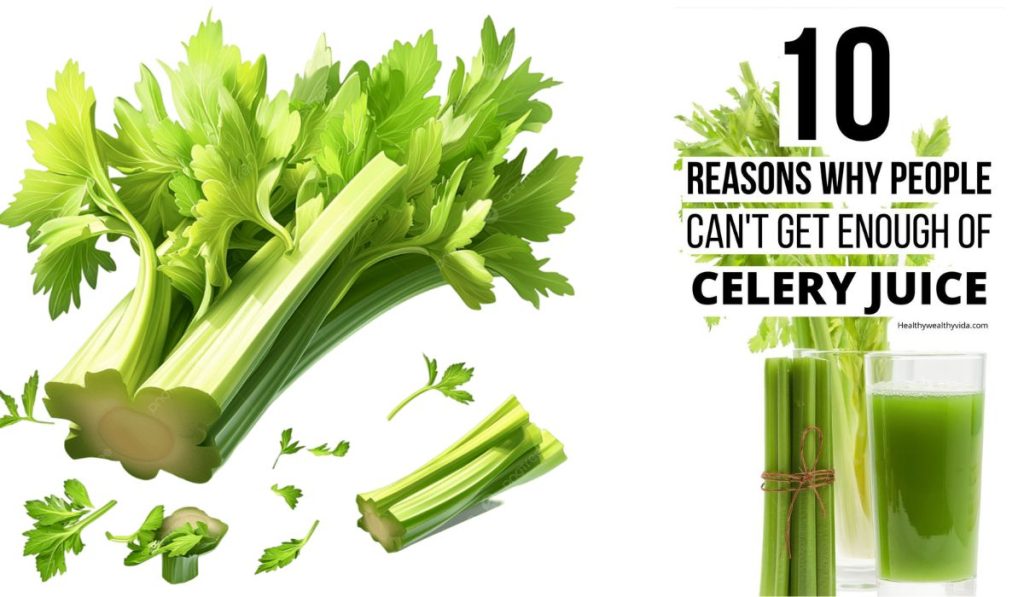
If you have ever come across the term pravi celer and wondered what it means, you are not alone. Whether you stumbled upon it while searching for a recipe, reading about plant science, or exploring health blogs, this guide covers everything you need to know. Pravi celer is the Bosnian, Croatian, and Serbian term for true celery — the widely used vegetable known across the world for its crisp stalks, aromatic leaves, and impressive health benefits.
In this article, you will discover what pravi celer actually means, where celery originally came from, its nutritional and health value, how it is used in cooking, and what makes it one of the most underrated vegetables on the planet. By the end, you will have a thorough understanding of this remarkable plant.
What Is Pravi Celer? Understanding the Meaning
The phrase pravi celer is used in South Slavic languages — particularly Bosnian, Croatian, and Serbian — and translates directly to true celery or real celery in English. It is used to distinguish Apium graveolens var. dulce (the common stalk celery most people recognize) from other varieties such as celeriac (root celery) or leaf celery.
In everyday language, when someone says pravi celer, they are referring to the familiar green, crunchy vegetable with long stalks that you find in supermarkets and salads worldwide.
Pravi Celer in English and Other Languages
Understanding the name in different languages helps put the plant in global context:
- Celery in English: Celery
- Celery in Urdu: اجمود (Ajmood)
- Celery in Arabic: كرفس (Karafs)
- Celery in French: Céleri
- Celery in Spanish: Apio
No matter what language you use, pravi celer refers to the same nutritious, aromatic vegetable used in cuisines around the globe.
Celery Origin: Where Did Pravi Celer Come From?
The origin of celery stretches back thousands of years. Wild celery — a smaller, more bitter ancestor of today’s cultivated plant — was found growing naturally in the Mediterranean basin, North Africa, and parts of the Middle East. Ancient Egyptians used wild celery in religious ceremonies, and the plant even appeared in the tomb of Pharaoh Tutankhamun around 1323 BCE.
The ancient Greeks and Romans valued celery primarily for its medicinal qualities. It was used to treat digestive problems, joint pain, and even as a nerve tonic. The word celery is believed to derive from the French céleri, which itself traces back to the Latin selinon, a term borrowed from ancient Greek.
When Was Celery First Cultivated for Eating?
Celery cultivation for food purposes began in earnest around the 17th century in Italy. Before that, the plant was grown mainly for medicine and ritual use. Italian farmers selectively cultivated varieties with less bitterness and larger stalks, which eventually led to the mild, crunchy celery we enjoy today. By the 18th and 19th centuries, celery had spread through Europe and North America as a popular salad and cooking vegetable.
Celery Leaf vs. Stalk: What Is the Difference?
When most people think of celery, they picture the long green stalks. However, the celery leaf — sometimes called the herb form of celery — is equally valuable and often more flavourful than the stalk itself.
Celery Leaf Uses and Benefits
Celery leaves are packed with vitamins and have a stronger, more concentrated flavour compared to the stalks. Here is how both parts compare:
- Celery stalks: Mild, crunchy, low in calories, high in water content — ideal for snacking, soups, and stews
- Celery leaf: More bitter and aromatic, rich in Vitamin K and antioxidants — often used as a garnish or herb
- Celery seeds: Used as a spice in pickling, bread-making, and traditional medicine
- Celeriac (root): Used in mashed dishes and soups, popular in Central European cuisine
In South Asian cooking, particularly in Pakistan and India, the celery leaf and celery seeds (ajmood in Urdu) are used medicinally and as flavouring in certain dishes, making pravi celer culturally relevant across regions.
Celery Benefits: Why You Should Eat Pravi Celer
One of the biggest reasons pravi celer has earned global attention is its impressive list of health benefits. Despite being mostly water (about 95%), celery is nutritionally dense and contains several compounds that contribute to overall well-being.
Top Health Benefits of Celery
- Rich in antioxidants: Celery contains flavonoids, beta-carotene, and Vitamin C, which help protect cells from oxidative stress and inflammation.
- Supports digestive health: The fibre in celery promotes healthy bowel movements and feeds beneficial gut bacteria.
- Anti-inflammatory properties: Compounds like apigenin and luteolin in celery have been studied for their ability to reduce chronic inflammation.
- Hydration: With nearly 95% water content, eating celery helps maintain fluid balance in the body.
- Blood pressure support: Phthalides, natural compounds in celery, may help relax artery walls and improve circulation.
- Bone health: Celery is a good source of Vitamin K, which plays an important role in bone formation and blood clotting.
- Low in calories: At just 16 calories per 100 grams, celery is a favourite for those managing their weight.
It is important to note that while celery offers genuine health advantages, it is not a cure for any medical condition. Always consult a healthcare professional before using celery or any food for therapeutic purposes.
How Pravi Celer Is Used in Cooking
Celery is one of the most versatile vegetables in the kitchen. Across the world — and especially in European and South Asian cuisines — it appears in countless dishes.
- Soups and broths: Along with onion and carrot, celery forms the classic mirepoix base used in French cooking and many stews.
- Salads: Raw celery adds crunch and freshness to green salads, coleslaw, and pasta salads.
- Stir-fries and sautés: Quickly cooked celery retains its texture and pairs well with chicken, tofu, and other vegetables.
- Juicing: Celery juice has become popular in wellness communities as a morning detox drink.
- Snacking: Celery sticks with peanut butter or hummus are a popular low-calorie snack.
- Pickling and spicing: Celery seeds are commonly used in pickling recipes and spice blends.
In Pakistani and South Asian kitchens, ajmood (celery in Urdu) seeds are particularly used in traditional herbal remedies, especially for digestive complaints, respiratory issues, and as a warming spice.
Pravi Celer Wikipedia and Where to Learn More
If you search for pravi celer wikipedia, you will find that most results redirect to the general celery article, as pravi celer is primarily a regional linguistic term rather than a distinct botanical classification. The Wikipedia entry for celery (Apium graveolens) provides an in-depth look at the plant’s taxonomy, history, and cultivation.
For those interested in the South Slavic botanical naming conventions, regional encyclopaedias and agricultural databases in Bosnian, Croatian, or Serbian offer more specific information about local varieties and traditional uses of pravi celer.
Frequently Asked Questions (FAQ)
What does pravi celer mean in English?
Pravi celer is a Bosnian, Croatian, and Serbian term that translates to true celery or real celery in English. It refers to common stalk celery (Apium graveolens var. dulce), the variety most widely available in supermarkets and used in cooking.
What is celery called in Urdu?
Celery is called اجمود (Ajmood) in Urdu. In South Asian contexts, the term ajmood most often refers to celery seeds or wild celery, which are used as a spice and in traditional herbal medicine.
What are the main health benefits of celery?
Celery is rich in antioxidants, supports digestion, has anti-inflammatory properties, helps with hydration, and may contribute to healthy blood pressure. It is also very low in calories, making it ideal for balanced diets.
Is celery leaf edible?
Yes, celery leaf is completely edible and highly nutritious. The leaves have a stronger, more bitter flavour than the stalks and are often used as a herb in cooking, garnishes, salads, and herbal teas. They are particularly high in Vitamin K.
Where does celery originally come from?
Celery originated in the Mediterranean region and parts of the Middle East. Wild celery was used by ancient Egyptians, Greeks, and Romans thousands of years ago. Modern cultivated celery, with its mild flavour and large stalks, was developed in Italy around the 17th century.
Conclusion: The Understated Power of Pravi Celer
Whether you know it as pravi celer, celery, or ajmood, this remarkable vegetable deserves far more attention than it typically receives. From its ancient roots in the Mediterranean to its presence in modern kitchens and wellness routines across the world, celery is a plant that combines culinary versatility with genuine nutritional value.
Its crisp stalks, flavourful leaves, and aromatic seeds each offer something unique — whether you are cooking a hearty soup, blending a morning juice, or looking for a healthy low-calorie snack. The health benefits of celery, from digestive support to anti-inflammatory properties, make it a smart addition to any balanced diet.
Now that you have a thorough understanding of what pravi celer is, where it comes from, and why it matters — why not add it to your next grocery list? Experiment with the stalks, leaves, and seeds, and discover for yourself why generations across cultures have valued this humble green plant.