
Introduction: Who Keeps Norway’s Wild Animals in Balance?
Imagine you wake up one morning to find a moose calmly eating from your vegetable garden — or that the local deer herd has doubled in size and is causing road accidents every week. Who do you call? In Norway, the answer often points straight to the viltnemnda. Most people outside Scandinavia have never heard this word, and even many Norwegians in urban areas don’t know exactly how it works. But for anyone who lives in rural Norway, this small municipal board carries enormous importance — it decides how many animals can be hunted each season, how wildlife populations are monitored, and how humans and animals can share the same landscape without tearing it apart.
This article is your complete, no-jargon guide to understanding what viltnemnda actually is, how it functions, why it matters, and what it means for wildlife, hunters, farmers, and nature lovers alike. Whether you’re a curious reader, a hunter planning a trip to Norway, a researcher, or simply someone fascinated by how Scandinavian countries handle their natural world, you’re in the right place. Let’s dive in.
What Is Viltnemnda? The Basic Idea
Defining the Term
The word ‘viltnemnda’ comes from two Norwegian roots: ‘vilt,’ meaning game or wildlife, and ‘nemnd,’ meaning committee or board. Put them together, and you get a wildlife committee — a local governing body established at the municipal level in Norway to oversee the management of wild animals in that area. Think of it as a neighbourhood council, but instead of deciding where the new playground should go, it’s deciding how many moose can be hunted this autumn or whether a specific area’s deer population has grown too large for the forest to support.
Viltnemnda operates under Norway’s Wildlife Act, known in Norwegian as Viltloven, which was first enacted in 1981 and has been updated several times since. This law places a strong responsibility on local municipalities to actively manage game species and to do so in a way that is ecologically sustainable. The viltnemnda is how that responsibility gets translated into real, boots-on-the-ground action.
A Grassroots Approach to Conservation
What makes this system genuinely fascinating — and quite different from how many other countries handle wildlife management — is how local it is. The people sitting on a viltnemnda are your neighbours. They’re elected local politicians, farmers who’ve watched deer damage their crops for decades, hunters who know the forest better than most biologists, and sometimes environmental specialists. This combination of lived experience and civic duty creates a system that’s responsive, practical, and deeply connected to the specific landscape it governs.
The Legal Framework: What Law Gives Viltnemnda Its Authority?
Viltloven — The Norwegian Wildlife Act
The foundation of everything viltnemnda does rests on Viltloven, Norway’s cornerstone wildlife legislation. The law establishes that all wild animals in Norway are, in principle, a common resource — they belong to the nation, not to private individuals. At the same time, the law recognises that effective management must happen locally, which is why municipalities are given authority over day-to-day decisions.
Under Viltloven, the municipality has the power to regulate hunting seasons, set annual harvest quotas for key species like moose and deer, and issue the licenses that allow hunters to legally take animals. The viltnemnda is the committee that does this work on behalf of the municipality. Without their approval, a hunter cannot legally pursue moose during the season — it’s as simple and as significant as that.
Regulations and Updates
Over the years, Norwegian wildlife legislation has been refined through additional regulations, directives from the national Environment Agency (Miljødirektoratet), and guidance from regional Statsforvalteren offices. Viltnemnda must keep up with these updates and apply national standards at the local level. So while the committee has genuine local autonomy, it’s not working in isolation — it’s part of a layered governance structure that stretches from the village all the way up to the national government.
Who Are the Members of Viltnemnda?
Elected Representatives and Specialists
A typical viltnemnda consists of several elected members who serve on the committee as part of their broader municipal council duties, alongside appointed specialists or co-opted members with specific expertise in wildlife or land management. The exact size and composition can vary between municipalities, depending on how much wildlife activity the area has and what resources the municipality can dedicate to this work.
In regions with large moose or deer populations — like parts of Trøndelag, Hedmark (now Innlandet), or Møre og Romsdal — the viltnemnda may be a very active body meeting several times a year, reviewing population survey data, processing license applications, and handling complaints from farmers whose fields have been damaged by animals. In smaller municipalities with less game activity, the committee might be leaner and less frequently convened.
The Role of Hunters and Landowners
It’s worth noting that even though hunters and landowners are not always formal members of the viltnemnda, they are central figures in the system. Hunters contribute to annual population surveys by reporting what they observe in the field. Landowners provide access to the land where wildlife lives and hunting happens. Their cooperation with the viltnemnda isn’t just helpful — it’s essential. Without accurate field data from hunters and without access granted by landowners, the committee simply couldn’t do its job.
What Does Viltnemnda Actually Do? Core Responsibilities
Setting Hunting Quotas
The most talked-about job of the viltnemnda is setting the annual hunting quota — the number of animals of each species that hunters in the municipality are permitted to harvest during the open season. This isn’t a number plucked from thin air. It’s based on detailed wildlife surveys, population trend data, estimates of how many animals the local habitat can sustainably support, and input from hunters and landowners. If the moose population has grown too large, the quota goes up. If numbers are declining, the committee may reduce it or even recommend a temporary hunting moratorium in certain zones.
Issuing Hunting Licenses
Once quotas are established, the viltnemnda oversees the process of allocating hunting rights for the season. In Norway, moose hunting in particular is organised through hunting teams that apply to harvest a certain number of animals from a defined territory. The committee reviews these applications, ensures applicants meet the required legal standards, and grants the licenses. It’s a process that balances demand — there are always more hunters who want to hunt than quotas allow — with biological realities.
Wildlife Population Monitoring
Good management requires good data, and the viltnemnda takes a leading role in coordinating wildlife population surveys within its municipality. This often involves working with hunters to conduct systematic counts, reviewing records of animals harvested (age, sex, body weight), and using this information to build a picture of how the local wildlife population is doing year on year. Think of it like a health check for the forest — the viltnemnda is the doctor reviewing the test results.
Handling Crop Damage and Conflict
When wild animals cause damage to farmland, forests, or private property, the viltnemnda is often the first official body that affected landowners and farmers approach. The committee can investigate, document damage, advise on preventive measures, and in some cases support applications for compensation from national schemes. Managing this human-wildlife tension is one of the less glamorous but absolutely critical parts of what viltnemnda does.
Viltnemnda and Moose Management: Norway’s Most Famous Wildlife Challenge
Why Moose Management Is So Complex
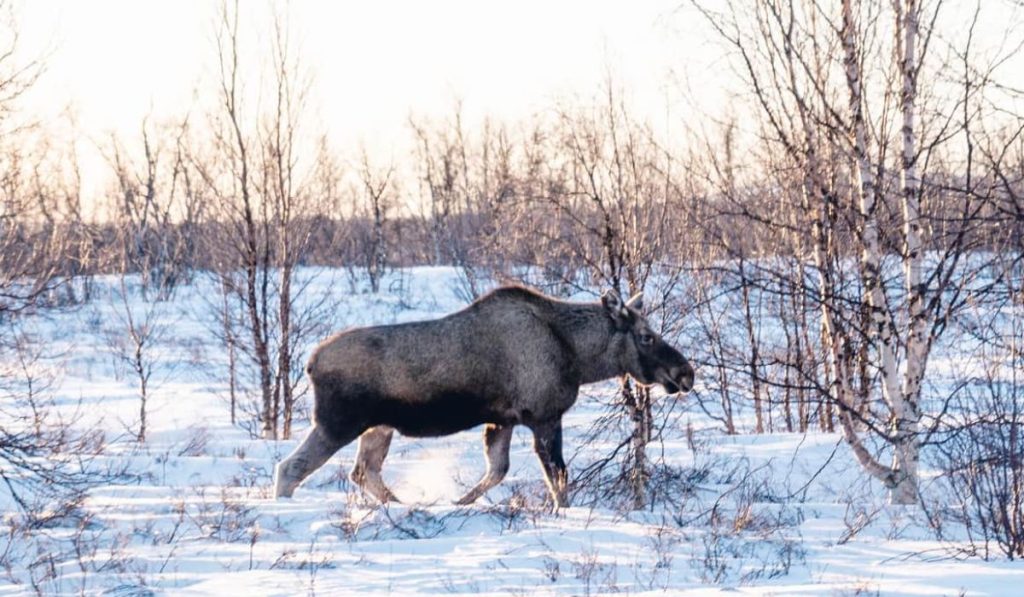
If you were to ask any Norwegian wildlife manager what keeps them up at night, there’s a good chance the answer involves moose — or elg, as they’re called in Norwegian. Moose are the largest land animals in Norway, and they exist in enormous numbers. They are also central to Norwegian hunting culture, a source of significant income for rural communities, and sometimes a genuine hazard on roads and to forestry operations. Getting the moose population right — not too many, not too few — is one of the most delicate balancing acts in Norwegian wildlife management.
The viltnemnda sits right at the heart of this challenge. Using a system called ‘bestandsplanområder’ (population management areas), groups of landowners and municipalities coordinate to manage moose across larger territories that match the animals’ actual movement patterns rather than arbitrary administrative lines. The viltnemnda works within and alongside these structures to ensure local decisions are ecologically coherent.
The Role of Hunting Revenue
Moose hunting is not just a tradition — it generates real economic value. Hunting licenses bring money into rural municipalities, and the meat from harvested moose feeds thousands of Norwegian families each year. The viltnemnda’s decisions about quota levels directly affect this local economy. Set the quota too low, and revenue drops and some hunters get no opportunity to hunt. Set it too high, and the population declines, with ecological consequences that ripple through the forest for years.
Red Deer, Roe Deer, and Other Species Under Viltnemnda’s Watch
Deer Management in Coastal and Western Norway
While moose dominate the conversation in eastern and northern Norway, in western coastal regions — particularly around Møre og Romsdal and Sogn og Fjordane — red deer (hjort) are the primary game species. Red deer populations have grown substantially over recent decades, and with that growth has come increasing conflict with agriculture and forestry. Viltnemnda in these areas faces similar challenges to their counterparts dealing with moose: calibrating harvest levels, monitoring trends, and responding to farmer complaints.
Smaller Species and Predator Considerations
Roe deer, beavers, and a range of smaller game species also fall within the purview of local wildlife boards in many municipalities. And while large predators like wolves, lynx, and bears are managed primarily at the national level through a separate system, the viltnemnda plays a supporting role in documenting predator observations, helping farmers deal with livestock losses, and feeding local data into the broader national management framework.
How Viltnemnda Engages the Public
Transparency and Open Processes
One of the principles behind Norway’s municipal democracy is that local governance should be transparent and accessible. Viltnemnda meetings are, in many municipalities, open to the public or at least their decisions are made publicly available. This matters for hunters, landowners, and ordinary residents who want to understand why a particular quota was set, or why a certain area has been designated as a protected zone for wildlife recovery.
Community Reporting and Involvement
The committee also benefits enormously from community involvement. Residents are encouraged to report wildlife sightings, incidents, or unusual animal behaviour to the viltnemnda or to the local municipality. This kind of citizen data — sometimes called ‘local ecological knowledge’ — complements formal scientific surveys and gives the committee a richer, more nuanced picture of what’s happening in the landscape. It’s a genuinely collaborative system, and its quality depends on people’s willingness to participate.
Challenges Facing Viltnemnda Today
Climate Change and Shifting Wildlife Patterns
Like all wildlife management systems around the world, viltnemnda faces the growing challenge of climate change. Warmer winters mean different snow conditions, which affects animal movement, grazing patterns, and predator-prey dynamics. Species ranges are shifting, and animals that were once rare in certain areas are appearing more frequently. The committee must adapt its management approach to a landscape that is increasingly unpredictable.
Funding and Capacity Constraints
Many municipalities in Norway, particularly smaller rural ones, face significant resource constraints. Running a thorough wildlife survey, processing license applications, and responding to damage complaints all require time, expertise, and money — resources that are not always available in abundance. Strengthening the capacity of local wildlife boards is an ongoing challenge that national and regional authorities periodically address.
Balancing Competing Interests
Perhaps the deepest challenge the viltnemnda faces is the perennial tension between different stakeholders with different needs. Hunters want abundant game. Farmers want animals out of their fields. Conservationists want thriving, diverse wildlife communities. Tourism operators want picturesque nature experiences. And all of them need the viltnemnda to take their concerns seriously while making decisions that are scientifically defensible and legally sound. Navigating these competing interests gracefully is both the hardest and most important part of the committee’s work.
How Norway’s Viltnemnda Compares to Other Countries’ Wildlife Boards
A Uniquely Decentralised Model
Most countries manage wildlife through central or regional government agencies — national parks authorities, state game commissions, federal wildlife services. Norway’s viltnemnda model, by contrast, places significant decision-making power at the municipal level, with individual communities taking direct ownership of the animals that live among them. This is partly a reflection of Norway’s broader tradition of municipal democracy and partly a pragmatic recognition that wildlife management works best when the people doing it know the land intimately.
What Other Countries Could Learn
The Norwegian model offers some genuine lessons for wildlife managers around the world. By engaging hunters, landowners, and local communities directly in governance, it builds the kind of trust and buy-in that makes regulations actually work. People are more likely to follow rules they helped create. At the same time, the Norwegian system is not without its flaws, and the country continues to refine it through legislation, research, and public debate.
The Future of Viltnemnda: Where Is This System Heading?
Digital Tools and Better Data
Norwegian municipalities are increasingly embracing digital data collection tools for wildlife monitoring. GPS collar data from moose, aerial survey technologies, and centralised digital databases are making it easier for viltnemnda members to access current population data and make better-informed decisions. The future of wildlife governance in Norway likely involves more data, faster reporting cycles, and smarter analytical tools — all feeding into the same fundamental community-based governance structure.
Greater Integration with Climate Policy
There is growing recognition in Norway that wildlife management cannot be separated from broader environmental and climate policy. How forests are managed affects wildlife populations. How agriculture is practiced affects what animals eat and where they go. Viltnemnda is increasingly being asked to contribute to these larger conversations, providing ground-level insights that national policymakers need but cannot always gather themselves.
Conclusion: Why Viltnemnda Matters More Than You Might Think
Viltnemnda might seem like an obscure administrative structure at first glance — just another committee on a list of local government responsibilities. But when you look closely, it turns out to be something quite remarkable: a democratic, community-driven system for managing some of Norway’s most precious natural resources. It puts the people who know the landscape best in charge of making the decisions that shape it. It creates accountability at the local level while connecting to national frameworks of ecological sustainability. And it does so in a way that respects both the tradition of hunting and the imperative of conservation.
Whether you’re a hunter applying for a license, a farmer whose crops keep getting raided, a nature enthusiast who wants to know the forest deer are thriving, or simply a citizen curious about how your municipality works, viltnemnda touches your life in rural Norway. And for the rest of the world, it offers a compelling model of what thoughtful, local wildlife governance can look like.
Frequently Asked Questions (FAQs)
- What is the main purpose of viltnemnda in Norway?
The primary purpose of viltnemnda is to manage wildlife populations at the local municipal level in Norway. This includes setting annual hunting quotas for species like moose and deer, issuing hunting licenses, conducting population surveys, and addressing conflicts between wildlife and human activities such as farming. The goal is to maintain sustainable, healthy animal populations that balance ecological needs, agricultural interests, and hunting traditions.
- Who can become a member of a viltnemnda?
Members of a viltnemnda are typically elected local politicians serving as part of their municipal council responsibilities, along with appointed specialists or co-opted experts in areas like wildlife biology or land management. The exact composition varies by municipality. Hunters and landowners, while not always formal members, play a crucial supporting role by providing field data, reporting observations, and cooperating with the board’s management decisions.
- How does viltnemnda decide on hunting quotas?
Hunting quotas are determined through a combination of wildlife population surveys, historical harvest data, analysis of animal age and body condition, habitat capacity assessments, and input from hunters and landowners. The viltnemnda reviews all available evidence and sets a quota designed to keep the local wildlife population at a level that is ecologically sustainable and compatible with human land use. National guidelines from environmental authorities also inform this process.
- Can the public attend viltnemnda meetings or access their decisions?
In most Norwegian municipalities, viltnemnda operates under the principles of open local government, meaning meetings may be open to the public and decisions are generally recorded and accessible. Specific practices vary between municipalities, but transparency is a core value of Norwegian municipal democracy. Residents, hunters, and landowners are encouraged to engage with the committee, attend consultations, and submit relevant information about wildlife in their area.
- How does viltnemnda handle situations where wild animals cause damage to farms or property?
When wildlife causes damage to crops, forests, or property, affected landowners or farmers can report the issue to their local viltnemnda or municipality. The committee can document the damage, advise on preventive measures such as fencing or scare tactics, and support applications to national compensation schemes administered by agencies like Statsforvalteren. In cases where animal numbers in a particular area are causing consistent problems, the committee may also adjust local hunting quotas or issue special culling permits to reduce pressure on agricultural land.