
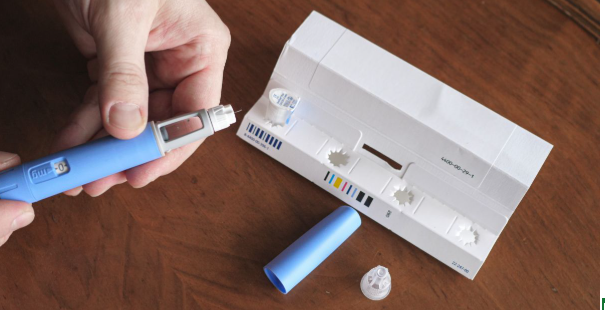
Tirzepatide is a prescription medication that works on two hormone pathways, GIP and GLP-1, to influence appetite, food intake, blood sugar regulation, and other metabolic processes. It is used in approved medications for different medical purposes, including chronic weight management and type 2 diabetes treatment. Understanding how tirzepatide works and what to expect before starting treatment can help patients make informed decisions with their healthcare provider.
Tirzepatide treatment is generally started at a low dose and increased gradually. This approach allows the body to adjust to the medication and may help reduce gastrointestinal side effects. The right dose and treatment schedule depend on the specific medication, medical history, treatment goals, and individual response.
For eligible patients interested in a tirzepatide online prescription, Zealthy provides online weight management care and access to licensed healthcare providers. Patients can complete an online health assessment and have their information reviewed by a provider. When clinically appropriate, a provider may prescribe tirzepatide and provide ongoing support throughout treatment. Zealthy can also provide access to care coordination, coaching options, and progress tracking depending on the selected treatment plan.
Understanding How Tirzepatide Works
Tirzepatide is a dual GIP and GLP-1 receptor agonist. This means it activates receptors associated with two hormones that naturally occur in the body. These pathways influence appetite, insulin secretion, glucagon regulation, and other metabolic functions.
For weight management, tirzepatide can reduce calorie intake by affecting appetite and food intake. It can also delay stomach emptying, which may contribute to a feeling of fullness after eating. For people using tirzepatide for type 2 diabetes, its effects on insulin and glucagon can help improve blood glucose control.
The medication is not intended to work as an instant solution. Changes in appetite may occur during treatment, while weight management results generally develop over a longer period. Individual responses can differ, so treatment should be evaluated based on overall progress rather than short-term changes alone.
Medical Evaluation Before Starting Treatment
Before starting tirzepatide, a healthcare provider should review your medical history, current medications, existing health conditions, allergies, and treatment goals. This evaluation helps determine whether tirzepatide is an appropriate option and whether any additional precautions are needed.
A provider may also consider your weight, blood sugar status, gastrointestinal health, previous medication use, and other relevant factors. This information can help determine which medication and dosing plan may be suitable.
Tirzepatide is not appropriate for everyone. The current FDA prescribing information for Zepbound lists a personal or family history of medullary thyroid carcinoma and Multiple Endocrine Neoplasia syndrome type 2 as contraindications. Serious hypersensitivity to tirzepatide or its ingredients is also a contraindication.
Starting With a Lower Tirzepatide Dose
Tirzepatide treatment is generally introduced gradually rather than beginning with a higher maintenance dose. For Zepbound, the current FDA prescribing information recommends 2.5 mg once weekly for the first four weeks. The dose can then be increased in 2.5 mg increments after at least four weeks on the current dose, based on treatment response and tolerability.
The 2.5 mg dose is intended for treatment initiation and is not a maintenance dose for weight reduction. Recommended maintenance doses for weight management include 5 mg, 10 mg, or 15 mg once weekly, with 15 mg being the maximum recommended dose.
Patients should never increase their tirzepatide dose without medical guidance. If a particular dose causes significant side effects, a healthcare provider may recommend staying at the current dose longer or using a lower maintenance dose when appropriate.
Common Side Effects to Know About
Tirzepatide can cause gastrointestinal side effects, particularly when treatment begins or the dose is increased. Common reactions reported with Zepbound include nausea, diarrhea, vomiting, constipation, abdominal pain, indigestion, and other digestive symptoms.
These effects can vary from person to person. Some patients may experience mild symptoms that improve as their body adjusts, while others may have more noticeable reactions. Following the prescribed dose-escalation schedule can help with tolerability.
Tirzepatide can also cause more serious gastrointestinal reactions in some patients. The current FDA labeling states that Zepbound is not recommended for patients with severe gastroparesis. Anyone experiencing persistent or severe digestive symptoms should contact their healthcare provider for medical guidance.
Important Health Conditions and Medications
Before starting tirzepatide, tell your healthcare provider about all medications and supplements you currently use. Tirzepatide delays gastric emptying and can potentially affect the absorption of some oral medications.
Tirzepatide should also not be combined with another tirzepatide-containing product or a GLP-1 receptor agonist unless specifically directed by a healthcare professional. Using medications with similar effects without appropriate medical supervision could increase the risk of side effects.
People with certain health conditions may require additional monitoring. The FDA labeling includes warnings related to kidney problems associated with dehydration, gallbladder disease, pancreatitis, serious hypersensitivity reactions, and other potential complications.
It is important to provide your healthcare provider with accurate information rather than leaving out medical conditions because they seem unrelated to weight management.
Pregnancy and Tirzepatide Treatment
Pregnancy is an important consideration before starting tirzepatide. The current FDA prescribing information states that Zepbound may cause fetal harm and should be discontinued when pregnancy is recognized.
People who could become pregnant should discuss contraception and pregnancy plans with their healthcare provider before starting treatment. The FDA also advises that people using oral contraceptives should switch to a non-oral contraceptive method or add a barrier method for four weeks after starting Zepbound and for four weeks after each dose escalation.
Anyone who becomes pregnant while taking tirzepatide should contact their healthcare provider promptly for individualized medical guidance.
How Tirzepatide Fits Into Weight Management
Tirzepatide is intended to be used alongside lifestyle changes rather than as a replacement for healthy habits. For weight management, Zepbound is indicated together with a reduced-calorie diet and increased physical activity for eligible adults with obesity or adults with overweight who have at least one weight-related condition.
The medication may help reduce appetite and calorie intake, which can make it easier for some people to follow a calorie-controlled eating pattern. Maintaining adequate nutrition, staying physically active, and following the treatment plan can support overall progress.
Weight loss does not happen at exactly the same rate for everyone. Starting weight, dose, appetite response, eating habits, activity level, health conditions, and consistency with treatment can all influence individual results.
What to Expect During the First Weeks
The first few weeks of tirzepatide treatment are often a period of adjustment. Because treatment begins at a lower dose, the initial effects may be different from what a patient experiences after reaching a maintenance dose.
Some people may notice changes in appetite or fullness relatively early. Others may need more time before noticing significant changes. Early treatment should not be judged only by the number on the scale because body weight naturally fluctuates from day to day.
Following the prescribed weekly schedule is important. Patients should not take additional medication because they feel the initial dose is not producing a noticeable effect. Dose increases should happen according to the treatment plan established by the prescribing provider.
Understanding Long-Term Treatment
Tirzepatide is generally considered a long-term treatment when it is prescribed for chronic weight management. This means patients may need ongoing medical follow-up rather than using the medication for only a short period and stopping without guidance.
Regular follow-up allows a provider to evaluate weight changes, appetite, side effects, medication tolerance, and other health factors. The provider can then determine whether the current dose should remain the same or whether an adjustment is appropriate.
Zealthy offers ongoing online support for eligible patients using weight management treatments. Depending on the care plan, support may include communication with healthcare professionals, medication management, coaching, nutrition and fitness guidance, and progress tracking.
Questions to Discuss With Your Healthcare Provider
Before starting tirzepatide, it can be useful to discuss your treatment goals and expectations with your provider. Your provider can explain how the medication may fit into your overall health plan and what changes you should monitor during treatment.
You should also discuss your current medications, allergies, previous reactions to similar medications, digestive health, medical conditions, pregnancy plans, and any previous experience with weight management treatments.
Understanding the expected dosing schedule and possible side effects can make it easier to recognize changes that require medical attention. Your provider can also explain when to contact the care team and what to do if you miss a dose or experience significant symptoms.
Starting Tirzepatide With Appropriate Medical Support
Tirzepatide can be an effective prescription treatment for eligible patients, but starting it requires more than simply choosing a dose. A healthcare provider should first review your medical history, treatment goals, medications, and potential risk factors. The medication is then introduced gradually so your response and tolerability can be monitored.
Zealthy makes it possible for eligible patients to complete their initial health assessment online and receive evaluation from a licensed provider. When tirzepatide is clinically appropriate, it may be included in a personalized treatment plan with ongoing medical support. Zealthy also offers additional weight management resources that can help patients stay engaged with their treatment.
Knowing what to expect before starting tirzepatide can make the process more manageable. Understanding the dosing schedule, possible side effects, safety considerations, lifestyle changes, and need for ongoing medical guidance allows patients to approach treatment with realistic expectations and appropriate support.
Conclusion
Tirzepatide works by activating both GIP and GLP-1 receptors, helping influence appetite, food intake, blood sugar regulation, and other metabolic processes. Before starting treatment, patients should understand the dosing schedule, possible side effects, medical contraindications, medication interactions, and the importance of ongoing provider supervision.
Treatment normally begins with a lower dose and increases gradually based on response and tolerability. Healthy eating and physical activity remain important parts of a weight management plan, while regular medical follow-up can help ensure that treatment remains appropriate.
For eligible patients, Zealthy provides an online process for connecting with licensed healthcare providers and accessing ongoing weight management support. When clinically appropriate, tirzepatide can be included as part of a broader treatment plan focused on sustainable health and weight management goals.