
Losing weight with semaglutide can feel encouraging when the number on the scale steadily decreases. But what happens when that progress suddenly slows down or stops A semaglutide plateau can be frustrating, especially when you are still taking your medication, following your routine, and expecting continued results. A temporary stall does not automatically mean the medication has stopped working.
Weight loss rarely follows a perfectly straight line. As your body weight decreases, your calorie needs, appetite, activity levels, and energy expenditure can change. These adjustments may contribute to a period when the scale moves more slowly. Understanding why a semaglutide weight loss plateau happens can help you make sensible changes instead of assuming that you need a higher dose or a completely different treatment.
AM Rx provides virtual healthcare and weight-management services that can help eligible patients discuss their progress and treatment options with healthcare professionals.
What Is a Semaglutide Plateau
A semaglutide plateau occurs when weight loss slows considerably or appears to stop after a period of consistent progress. The exact duration can vary, so there is no universal number of days or weeks that officially defines a plateau. Normal fluctuations in body weight can also make it difficult to determine whether you are experiencing a true plateau.
Your weight can change from day to day because of hydration, sodium intake, digestion, hormonal changes, food volume, and other factors. For this reason, looking at the overall trend is usually more useful than focusing on one weigh-in.
A genuine plateau may become more apparent when your average weight remains relatively stable for several weeks despite continuing with your established treatment and lifestyle routine. Even then, it does not necessarily mean that semaglutide is no longer having an effect. Your healthcare professional can help determine whether your progress has actually stalled and whether your treatment plan needs to change.
Why Does Weight Loss Plateau on Semaglutide
Several factors can contribute to a semaglutide weight loss plateau. One important factor is that the body requires fewer calories as body weight decreases. A person who weighs less generally uses less energy to maintain their body and perform everyday activities than they did at a higher weight.
Appetite and eating patterns can also change over time. The initial appetite reduction from semaglutide may feel stronger during the early stages of treatment, while hunger and food preferences can evolve as treatment continues. Portion sizes may gradually increase without you noticing, particularly if your appetite has become more manageable.
Physical activity can change as well. Some people become less active without realizing it, especially after losing weight. Small reductions in daily movement can affect overall energy expenditure. Sleep, stress, medications, and other individual factors may also influence weight-management progress.
AM Rx can help eligible patients review these factors with healthcare professionals rather than assuming that a plateau automatically means semaglutide is not working.
Does a Weight Loss Plateau Mean Semaglutide Is Not Working
Not necessarily. A semaglutide plateau does not automatically mean that your medication has stopped working. Weight loss naturally becomes less predictable over time, and periods of slower progress can occur even when treatment continues to provide benefits.
Semaglutide works by affecting appetite regulation and other physiological processes. However, it does not override every factor that influences body weight. Your food intake, physical activity, sleep, stress, metabolic adaptation, and individual response can all contribute to the rate at which weight changes.
It is also possible to experience changes in body composition without seeing a major change on the scale. For example, someone who becomes more active or starts resistance training may maintain or gain some muscle while losing body fat.
Instead of immediately concluding that semaglutide is not working, look at the broader picture. Changes in waist measurements, clothing fit, appetite, eating patterns, physical activity, and other health markers may provide additional context.
Even during a plateau, some people may continue experiencing semaglutide benefits, including appetite control, reduced cravings, improved portion management, and support for long-term weight-management habits. These effects may continue even when the scale is temporarily moving more slowly than expected.
How Long Does a Semaglutide Plateau Last
There is no fixed timeframe for a semaglutide plateau. Some people may experience a short period of slower weight loss, while others may remain at a similar weight for longer. A few weeks of minimal change does not necessarily mean that you have reached a permanent stopping point.
Weight loss can also appear slower during certain periods because of temporary water retention. A higher-sodium meal, changes in carbohydrate intake, menstrual-cycle changes, constipation, or increased muscle soreness after exercise can temporarily affect the number on the scale.
Rather than reacting to every weekly fluctuation, track your weight over time under similar conditions. Looking at weekly or monthly trends can provide a clearer picture of whether you are actually experiencing a plateau.
If your weight remains stable for an extended period or you have concerns about your response to treatment, speak with your healthcare professional. AM Rx provides convenient virtual healthcare for eligible patients who want professional support while navigating changes in their weight-management progress.
What Can Cause a Semaglutide Weight Loss Plateau
A plateau can have more than one cause. Your body may adapt to weight loss, your daily calorie needs may decrease, or your appetite may gradually change. Lifestyle habits can also shift over time without being obvious.
Common factors include:
- Changes in portion sizes or food choices
- Reduced daily physical activity
- Inadequate sleep or increased stress
- Temporary water retention
- Changes in appetite or cravings
- Reduced energy requirements after weight loss
- Inconsistent medication use
- Reaching a later stage of the weight-loss journey
These factors do not mean that you have done anything wrong. Sustainable weight loss involves adjustments over time, and your strategy may need to evolve as your body weight changes.
A healthcare professional can help you identify which factors may be relevant to your situation before making significant changes to your treatment.
How Can You Break a Weight Loss Plateau on Semaglutide
Breaking a weight loss plateau starts with understanding why progress has slowed rather than immediately making drastic changes. Review your current eating habits, activity level, sleep, and medication routine. Small changes may be more sustainable than aggressive dieting.
Look at portion sizes and the nutritional quality of your meals. Protein-rich foods, vegetables, fruits, whole grains, legumes, and healthy fats can help create balanced meals while supporting your nutritional needs. Paying attention to beverages, snacks, and frequent high-calorie foods can also reveal changes that may have developed gradually.
Physical activity is another area worth reviewing. Increasing daily movement, walking more consistently, or incorporating resistance training can support your overall weight-management strategy. Your exercise routine should match your fitness level and individual circumstances.
If you have made consistent efforts and still see no progress, discuss the situation with your healthcare professional. AM Rx can help eligible patients review their treatment and determine whether additional support may be appropriate.
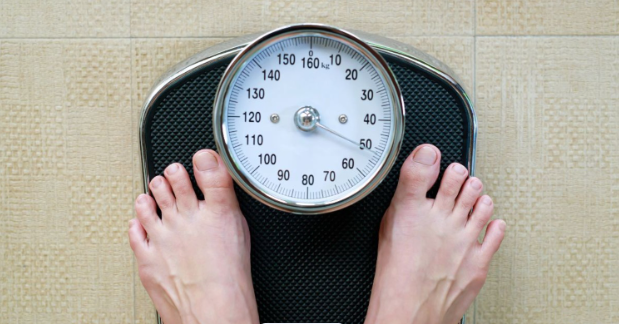
Should You Increase Your Semaglutide Dose During a Plateau
A weight loss plateau does not automatically mean that your semaglutide dose should be increased. Dose adjustments depend on the specific medication, your treatment stage, your response, and how well you tolerate the current dose.
Increasing medication simply because the scale has stopped moving can be inappropriate if the plateau is caused by another factor. For example, changes in eating habits, reduced activity, poor sleep, or temporary water retention may have little to do with the medication dose.
Your healthcare professional can assess whether you are using the medication according to the prescribed schedule and whether your current dose remains appropriate. Never increase your dose independently or take additional medication to try to accelerate weight loss.
AM Rx offers virtual healthcare and weight-management services that allow eligible patients to discuss treatment progress and medication questions with healthcare professionals.
Can Exercise Help Break a Semaglutide Plateau
Exercise can support weight management and overall health during semaglutide treatment. Increasing daily movement may increase energy expenditure, while resistance training can help support muscle maintenance during weight loss.
You do not necessarily need intense workouts to make a difference. Walking, cycling, swimming, strength training, and other enjoyable activities can contribute to a more active lifestyle. The best routine is one you can perform consistently and safely.
Resistance training deserves particular attention because preserving lean muscle can be important during weight loss. A combination of strength exercises and cardiovascular activity can create a balanced fitness routine.
If you have been inactive, gradually increasing your activity may be more practical than suddenly adopting an intense workout schedule. Consistency generally matters more than trying to compensate for a plateau with extreme exercise.
What Should You Eat During a Semaglutide Plateau
Your eating pattern may need some attention when weight loss slows, but extreme restriction is rarely a sustainable solution. Instead, focus on nutrient-dense foods and portions that match your current appetite and energy needs.
Protein can help support muscle maintenance and contribute to fullness. Vegetables, fruits, legumes, and whole grains provide fiber and other nutrients. Healthy fats can also fit into a balanced diet when consumed in appropriate portions.
It can be useful to review foods and drinks that are easy to consume without feeling particularly filling. Sugary beverages, frequent snacks, large portions, and calorie-dense sauces or toppings can gradually increase total energy intake.
You do not need to eliminate entire food groups simply because your weight loss has slowed. A balanced eating pattern is more likely to support long-term weight management than an overly restrictive diet.
Can Sleep and Stress Affect Weight Loss on Semaglutide
Sleep and stress can influence appetite, food choices, physical activity, and overall weight-management behavior. When you are consistently tired or under significant stress, maintaining your usual routines may become more difficult.
Poor sleep can affect hunger and satiety signals, while stress may increase cravings or make high-calorie comfort foods more appealing. Stress can also reduce motivation for exercise or meal preparation.
Improving sleep consistency and finding practical ways to manage stress may therefore support your broader weight-management strategy. These changes will not necessarily produce immediate movement on the scale, but they can make healthy habits easier to maintain.
If your plateau continues despite consistent lifestyle habits and appropriate medication use, professional guidance can help you determine what other factors may be involved.
How Does AM Rx Help With a Semaglutide Plateau
A weight-loss plateau can leave you wondering whether you should change your medication, increase your dose, or completely rethink your routine. Making those decisions alone can be confusing, particularly when several factors may be affecting your progress.
AM Rx provides virtual healthcare and weight-management services for eligible patients who want convenient access to professional support. Healthcare professionals can discuss your treatment response, weight-management goals, lifestyle habits, and questions about semaglutide.
AM Rx focuses on making ongoing care accessible so eligible patients can receive support as their treatment progresses. Whether you are just beginning treatment or dealing with a frustrating plateau, staying connected with professional care can help you make more informed decisions.
Frequently Asked Questions About Semaglutide Plateau
What is a semaglutide plateau
A semaglutide plateau is a period when weight loss slows significantly or appears to stop while someone continues semaglutide treatment. Temporary fluctuations are normal, so a true plateau should be evaluated by looking at longer-term weight trends.
Why has my weight stopped going down on semaglutide
Weight loss can slow because your body requires fewer calories after losing weight, appetite may change, activity levels may decrease, or temporary water retention may mask fat loss. Other lifestyle and individual factors can also contribute.
Does semaglutide stop working after a while
Not necessarily. A plateau does not automatically mean semaglutide has stopped working. Weight loss naturally becomes less linear over time, and multiple factors can influence your progress.
Should I increase semaglutide if I reach a plateau
Not automatically. Dose changes should depend on your specific medication, treatment schedule, response, and tolerability. Discuss a plateau with your healthcare professional before making any changes to your dose.
How can I break a weight loss plateau on semaglutide
Review your portion sizes, food choices, protein intake, physical activity, sleep, stress, and medication routine. Sustainable adjustments may help, while your healthcare professional can determine whether your treatment plan needs additional changes.
Can you still lose weight after a semaglutide plateau
Yes. A plateau can be temporary, and weight loss may resume as your body and routine change. Tracking longer-term trends instead of individual weigh-ins can help you determine whether progress has genuinely stopped.
Conclusion
A semaglutide plateau can be frustrating, but it does not automatically mean that your medication has stopped working. Weight loss naturally becomes less predictable as your body weight decreases, and changes in appetite, activity, energy needs, sleep, stress, and eating habits can all contribute to slower progress.
Breaking a weight loss plateau starts with looking at the bigger picture. Review your nutrition, portion sizes, physical activity, sleep, and medication routine before assuming that a higher dose is necessary. Sustainable changes are generally more useful than extreme calorie restriction or excessive exercise.
If you are experiencing a semaglutide weight loss plateau, AM Rx provides virtual healthcare and weight-management services for eligible patients who want professional support. AM Rx can help you discuss your progress, treatment questions, and long-term weight-management goals with healthcare professionals.
A slower period does not erase the progress you have already made. With consistent habits, appropriate treatment, and professional support, you can continue working toward sustainable weight-management results even when the scale temporarily stops moving.