The way people approach weight management has changed significantly in recent years. Alongside nutrition and physical activity, prescription medications and virtual healthcare now give eligible patients more options to discuss with qualified medical professionals.
Telehealth has made this process more convenient for many people. Patients can complete health assessments online, communicate with providers remotely, and discuss whether prescription treatment may be suitable for their circumstances.
Zealthy is one of the digital healthcare services operating in this area. Its virtual model focuses on providing access to healthcare professionals and treatment options for eligible patients. However, anyone considering an online weight-loss program should look beyond convenience and understand the medications, costs, insurance requirements, and ongoing care involved.
Zealthy Weight-Loss Approach
The process generally begins with an online health assessment. Patients provide information about their medical history, current medications, weight-related goals, and other health details that may help a provider evaluate their situation.
A licensed healthcare professional reviews the information and determines whether medical weight management is appropriate. If treatment is considered suitable, the provider may discuss prescription options and other elements of a weight-management plan.
This approach can be useful for people who prefer virtual healthcare or have difficulty attending frequent in-person appointments. Depending on the treatment plan, patients may also communicate with their care team online during their weight-loss journey.
Medical treatment is not automatically recommended for every patient, however. Eligibility depends on individual health circumstances, and completing an assessment does not guarantee access to a particular medication.
Exploring Prescription Medication Options
Prescription medications have become an increasingly important part of medical weight management. Semaglutide and tirzepatide are among the active ingredients that have received considerable attention for their role in appetite regulation and weight management.
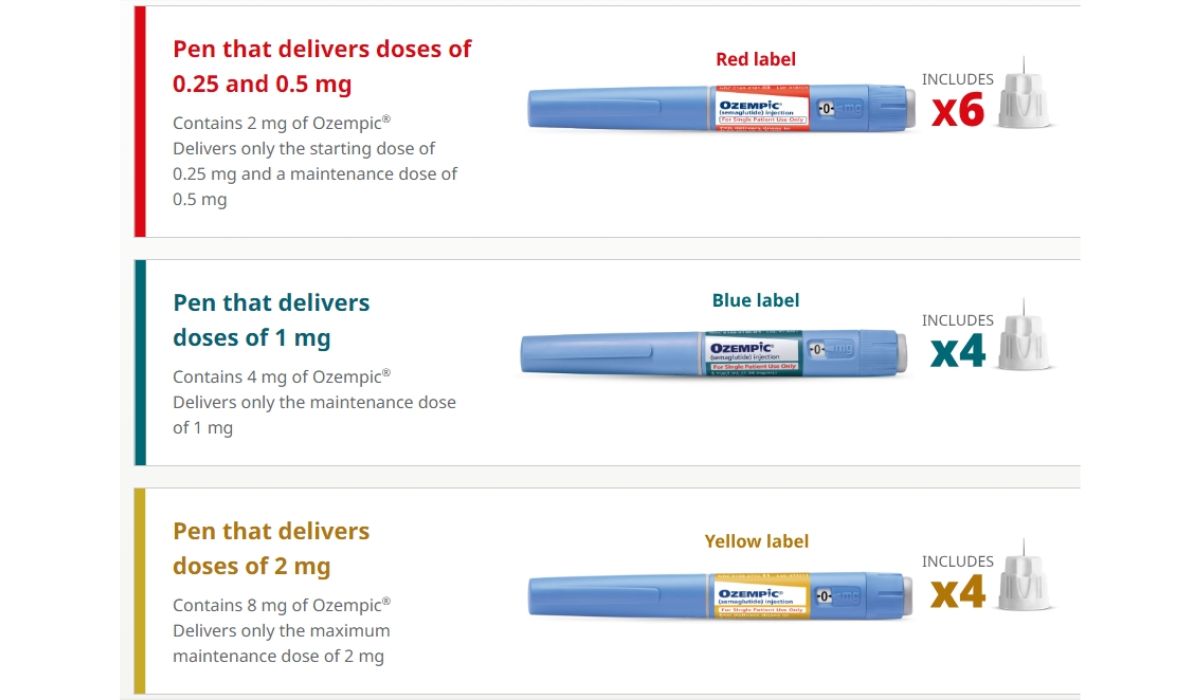
People may also recognize brand names including Wegovy, Zepbound, Ozempic, and Mounjaro. These medications have different approved uses and prescribing considerations, so patients should not assume that one treatment is suitable simply because another person has used it successfully.
A healthcare provider can consider factors including medical history, current medications, weight-related health concerns, and potential risks before recommending a treatment.
For people comparing online treatment options, a Zealthy Weight Loss Review can also provide useful background on the service, medication options, pricing, insurance, and patient-care considerations.
How Much Can Treatment Cost?
Cost is an important part of choosing a weight-management program. However, the advertised membership price may not represent the total amount a patient will spend.
A telehealth service may charge a membership fee for access to healthcare services, while prescription medication may be billed separately. The final cost can vary depending on the medication, dosage, pharmacy, insurance coverage, and treatment plan.
Patients should therefore consider the complete financial commitment before enrolling. It is useful to check whether provider consultations, follow-up care, coaching, prescription management, and other services are included.
Promotional pricing should also be viewed carefully. A discounted first month may not reflect the regular monthly price that applies afterward.
Understanding recurring membership charges and medication expenses can help patients create a more realistic budget for treatment.
The Role of Insurance Coverage
Insurance can have a major impact on prescription costs. Some health plans cover certain weight-loss medications for eligible patients, while others may have exclusions or specific requirements.
Prior authorization can also be necessary. In this situation, the insurer reviews medical information before deciding whether a prescription qualifies for coverage.
Patients should contact their insurance provider to determine whether a particular medication is covered and what out-of-pocket expenses may apply. Deductibles, copayments, coinsurance, and pharmacy benefits can all affect the final cost.
A telehealth provider may help with parts of the insurance process, but approval ultimately depends on the patient’s insurance company and individual health plan.
What Patients Can Expect From Ongoing Care

Weight management is generally a long-term process rather than a one-time appointment. Patients may need continued communication with healthcare professionals as treatment progresses.
Questions about medication, dosage, refills, side effects, or changes in weight can arise during treatment. Regular access to a healthcare team can make it easier to address these issues.
Virtual care can make follow-up communication more convenient. Depending on the selected program, patients may have access to provider messaging, prescription management, coaching, or other forms of support.
Patients should understand what is included in their plan before enrolling. Knowing how to contact a provider and request follow-up care can help establish realistic expectations.
Why Results Can Differ Between Patients
Weight-loss results can vary significantly from one individual to another. Even people using the same medication may experience different outcomes.
Factors including medication type, dosage, treatment duration, nutrition, physical activity, sleep, medical history, and individual response can influence progress.
For this reason, testimonials should not be treated as promises of future results. One person’s experience may provide useful context, but it cannot predict how another patient will respond.
A healthcare professional can help patients establish realistic expectations and determine whether treatment should continue or be adjusted.
What Patient Experiences Can Tell You
Patient reviews can provide additional insight into the experience of using a virtual healthcare service. Some people may highlight convenience, communication with providers, medication access, or progress with their weight-management goals.
Other patients may report concerns involving billing, customer service, prescription fulfillment, or communication.
These differences demonstrate why it is useful to review multiple sources before making a decision. Prospective patients should look for consistent patterns rather than basing their decision on one extremely positive or negative review.
It is also important to separate medical outcomes from customer-service experiences. A review about billing does not necessarily indicate whether a medication was medically effective, while a successful weight-loss story does not necessarily describe the overall customer experience.
Questions to Ask Before Joining
Before enrolling in an online weight-management program, patients should understand exactly what the service includes.
They should determine whether medication costs are separate from membership fees and ask about potential pharmacy or shipping charges. Insurance requirements should also be confirmed before treatment begins.
Patients should learn how consultations and follow-ups are handled, how prescription refills work, and how they can contact their healthcare team when questions arise.
Billing and cancellation policies deserve attention as well. Understanding recurring charges and membership terms can help avoid unexpected expenses.
It is also important to discuss potential medication risks and alternatives with a qualified healthcare professional before starting treatment.
The Future of Online Weight Management
The combination of prescription medication and telehealth is creating more choices for people seeking medical support with weight management. Instead of relying on one treatment pathway, eligible patients can discuss different approaches with healthcare professionals.
For some individuals, prescription medication may be an appropriate option. Others may benefit from nutrition support, behavioral changes, traditional medical care, or a combination of treatments.
Telehealth can improve convenience, but it does not replace professional medical judgment. Patients still need appropriate evaluation and monitoring throughout treatment.
As virtual healthcare continues to develop, the focus is likely to remain on making treatment more accessible while maintaining appropriate medical oversight.
Final Thoughts
Zealthy represents one example of how digital healthcare is becoming part of modern weight-management care. Its virtual approach may appeal to eligible patients who want convenient access to healthcare professionals and prescription treatment options.
However, choosing a weight-loss program should involve more than looking at the advertised price or reading individual success stories. Medication options, total costs, insurance coverage, provider support, and ongoing care all deserve consideration.
Patients should also remember that weight-loss results vary and that prescription treatment is not appropriate for everyone. Speaking with a qualified healthcare professional can help determine whether a particular approach is suitable for an individual’s health needs and goals.