
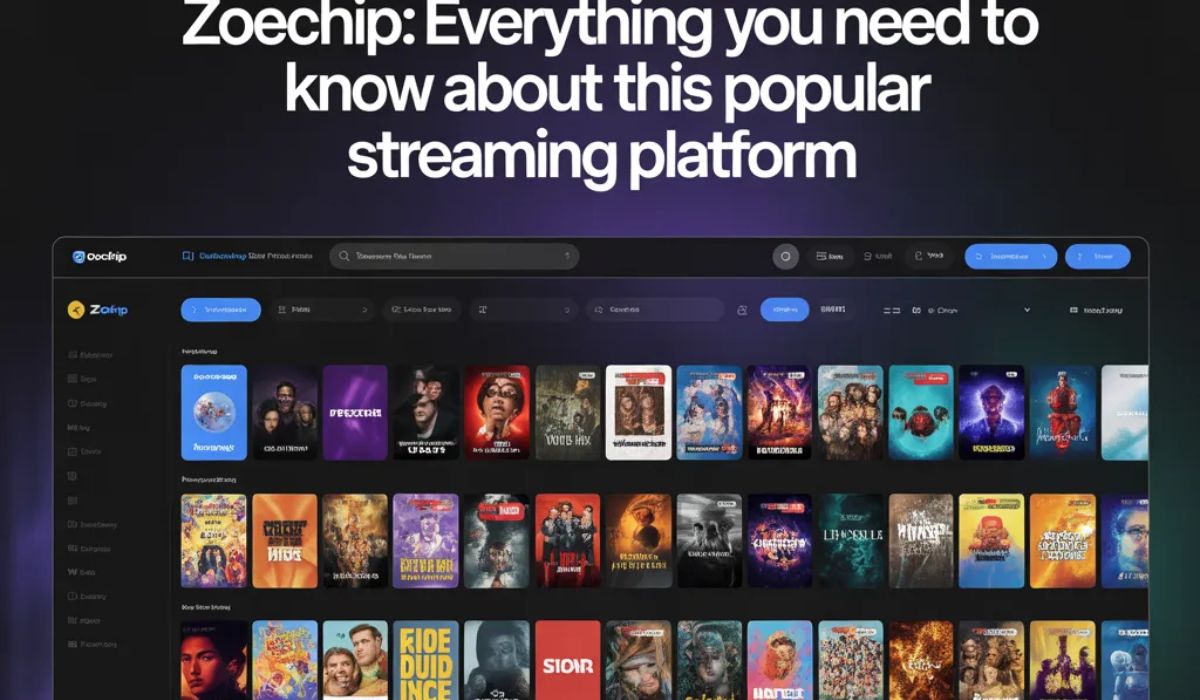
Have you ever searched online for a movie and stumbled across a site offering it for free—no sign-ups, no fees, just instant streaming? That’s likely how many people first discover Zoechip. In a world where subscription fatigue is real and streaming bills keep rising, platforms like this naturally spark curiosity.
But what exactly is Zoechip? Is it safe? Is it legal? And why has it gained so much attention in recent years?
In this in-depth guide, we’ll explore every angle—from how it works and why people use it, to the risks, legal questions, and safer alternatives. By the end, you’ll have a clear picture so you can make informed decisions for yourself.
What Is Zoechip?
Zoechip is an online streaming website that provides access to movies and TV shows without requiring users to pay or register. Visitors can browse titles, click play, and start watching almost immediately.
Unlike mainstream services such as Netflix or Amazon Prime Video, it does not operate on a subscription model. There are no monthly fees. Instead, the platform typically relies on ads and third-party hosting links.
At first glance, it seems simple and convenient. But as the saying goes, if something looks too good to be true, it usually deserves a closer look.
Why Has It Become So Popular?
Let’s be honest—streaming services are multiplying fast. One platform has one series, another has exclusive films, and before you know it, you’re juggling five subscriptions.
So why do people gravitate toward sites like this?
1. Free Access
Cost is the biggest factor. When a platform offers recent movies at zero price, that’s hard for some users to ignore.
2. No Account Required
No sign-up forms. No credit cards. Just click and watch. That frictionless experience feels appealing.
3. Wide Selection
Users often report that such platforms carry both new releases and older titles in one place. Instead of hopping between apps, everything appears centralized.
4. Global Availability
Subscription services sometimes restrict content based on region. Free streaming sites usually don’t enforce geographic restrictions in the same way.
Convenience can feel like a shortcut through a maze. But shortcuts can also lead into unknown territory.
How Does Zoechip Work?
Understanding how it functions helps you see the bigger picture.
Unlike official streaming companies that purchase distribution rights, sites like this generally do not host content themselves. Instead, they:
- Embed videos from external servers
- Use mirror domains to stay accessible
- Monetize through advertising networks
Think of it like a bulletin board pointing you toward other video sources rather than storing everything in one warehouse.
Because the content often comes from third parties, quality and reliability can vary. One day a link works; the next day it’s gone.
Is Zoechip Legal?
This is where things get serious.
In many countries, streaming copyrighted material without proper authorization may violate intellectual property laws. Official platforms secure licenses from studios and distributors. Unofficial sites typically do not.
When you watch a movie on a licensed service, royalties flow back to the creators. When content is shared without permission, that revenue chain breaks.
Different countries handle enforcement differently. Some focus on shutting down websites. Others issue warnings to users. Either way, the legal landscape around unauthorized streaming is complex and evolving.
If you value peace of mind, legality is something you shouldn’t ignore.
Is It Safe to Use?
Safety isn’t just about the law—it’s also about cybersecurity.
Free streaming platforms often rely on ads for income. And not all ad networks are carefully monitored.
Here are common risks users face:
- Pop-up ads leading to suspicious sites
- Malware downloads disguised as video players
- Phishing attempts asking for personal data
- Fake update prompts
Imagine walking into a free buffet where anyone can place food on the table. Would you eat everything without checking? Probably not.
Similarly, browsing unofficial streaming platforms requires caution. Antivirus software, ad blockers, and strong cybersecurity habits become especially important.
User Experience: What to Expect
From a design standpoint, sites like this are usually straightforward.
Simple Layout
You’ll find search bars, genre categories, and featured titles.
Streaming Quality
Quality may range from standard definition to HD. However, buffering and broken links are common complaints.
Ads and Redirects
Clicking play might trigger pop-ups before the video begins. Some links may redirect you to unrelated pages.
While it may appear easy to navigate, the interruptions can quickly turn a relaxed movie night into a frustrating experience.
Ethical Considerations
Let’s step back for a moment.
Movies and series don’t appear out of thin air. They’re built by writers, directors, actors, editors, camera operators, sound engineers—the list goes on.
When people consume content without supporting official channels, creators lose revenue. That loss can impact future productions, wages, and opportunities.
It’s similar to borrowing a book from a friend versus downloading a pirated copy. One supports the ecosystem. The other quietly undermines it.
Ethics may not be the first thing people consider when clicking “Play,” but it’s worth reflecting on.
Comparison With Legal Streaming Platforms
To better understand the difference, let’s compare unofficial streaming sites with recognized services like Disney+ and Hulu.
Content Licensing
Legal services obtain rights from studios. Unofficial sites generally do not.
Security
Official platforms invest heavily in data protection. Free sites may not offer the same safeguards.
Reliability
Licensed services provide consistent streaming quality. Unofficial platforms may suffer from broken links or sudden shutdowns.
User Support
Customer service exists on paid platforms. On unofficial ones, you’re usually on your own.
The difference often comes down to reliability versus risk.
Why Do Such Sites Keep Reappearing?
You might wonder: if these sites face legal challenges, how do they keep coming back?
The answer lies in domain changes and decentralized hosting. When one web address gets blocked, another often appears under a slightly different name.
It’s a bit like a game of digital whack-a-mole. Authorities shut one down; another pops up.
The internet’s global nature makes enforcement complicated. Different jurisdictions have different rules and resources.
Safer Alternatives for Watching Movies Online
If your goal is affordable entertainment, you have options.
Free Legal Platforms
Some services provide free, ad-supported streaming with proper licensing.
Examples include:
- Tubi
- Pluto TV
These platforms operate legally and compensate content owners through advertising revenue.
Subscription Bundles
Companies often bundle services together at discounted rates.
Library Streaming Services
Many public libraries partner with digital platforms offering movies and documentaries at no cost to members.
With a little research, you can often find legitimate entertainment without stretching your budget.
How to Protect Yourself Online
Regardless of where you stream, digital safety matters.
Here are practical tips:
- Use reputable antivirus software
- Keep your browser updated
- Avoid clicking suspicious pop-ups
- Never share personal details on unknown websites
- Consider a secure VPN for privacy
The internet can be compared to a busy city. Most streets are safe, but wandering into dark alleys without awareness isn’t wise.
Being informed is your best defense.
The Bigger Picture: The Future of Online Streaming
Streaming has transformed how we consume entertainment. From DVDs to digital libraries, the shift happened fast.
Major companies continue expanding global catalogs. Competition is driving innovation, better recommendations, and improved video quality.
At the same time, rising subscription costs push some viewers toward free alternatives. The tension between accessibility and intellectual property will likely continue.
As viewers, we stand at the center of that balance. Our choices influence what kind of digital ecosystem grows stronger.
Conclusion
Zoechip represents a broader trend in online entertainment—easy access, minimal barriers, and zero upfront cost. It appeals to viewers tired of juggling subscriptions and regional restrictions. But alongside that convenience come legal uncertainties, cybersecurity risks, and ethical concerns.
When choosing where to watch your favorite films or series, it helps to weigh short-term savings against long-term consequences. Reliable streaming services provide stability, quality, and peace of mind. Free unofficial platforms may offer quick access, but they often carry hidden costs.
Ultimately, informed decisions empower you. And when it comes to online streaming, knowledge truly is your best companion.
FAQs
1. Is Zoechip completely free to use?
Yes, users typically do not pay subscription fees, but the site relies on advertising and third-party links, which may expose users to risks.
2. Can using Zoechip get someone in legal trouble?
Depending on local laws, streaming copyrighted content without authorization may violate regulations. Enforcement varies by country.
3. Does Zoechip require registration?
Generally, no account creation is required, which is part of its appeal to users seeking quick access.
4. Are there legal free streaming alternatives?
Yes, platforms like Tubi and Pluto TV provide licensed content supported by ads.
5. How can users stay safe while streaming online?
Using antivirus software, avoiding suspicious links, keeping devices updated, and choosing legitimate platforms significantly reduces online risks.